The aroma of a perfect dinner—seared scallops, caramelized onions, or smoky chili—is often intoxicating. But once the cooking is done, a different kind of scent lingers: the smell of burnt grease, carbonized particles, and stale steam. Keeping your kitchen clean is essential, but when it comes to professional cleaning services, the terminology can feel like a confusing culinary recipe. Are you dealing with a simple clean, or is something more involved? Understanding what is the difference between rangehood and exhaust cleaning? is crucial for selecting the right service, ensuring your appliance runs efficiently, and preventing costly kitchen fires. This comprehensive guide will demystify the process, making sure you can tackle kitchen grime with confidence and expertise.
Understanding the Components: What Exactly is a Rangehood?
Before we can differentiate the services, we must understand the equipment. The rangehood, often called an extractor hood or range ventilator, is much more than just a decorative piece of stainless steel; it is the mechanical heart of your kitchen's ventilation system. Its primary job is to capture and remove airborne contaminants generated during cooking.

The Anatomy of an Exhaust System
A modern rangehood is a complex machine designed to manage various types of pollutants. These contaminants include:
- Grease: Airborne oil particles that cool and solidify, forming sticky buildup. Smoke: Tiny particulate matter from burning food or excessive heat. Steam: Water vapor from boiling, which can carry grease and odors. Odors: Volatile organic compounds (VOCs) that cling to surfaces.
This system relies on a combination of filters and a powerful motor. The filters are designed to catch the bulk of the grease and particulates before they enter the main ductwork. If the filters are clogged, the unit struggles, and the performance drops dramatically.

The Purpose of Exhaust Functionality
The core function of the unit is to create negative pressure within the cooking area. This means the hood pulls air up and out, preventing smoke and odors from settling into the rest of your kitchen. If the exhaust system isn't working optimally, are you really getting clean air, or are you just moving stale air from one corner to the next? This is where professional intervention becomes invaluable.
The Cleaning Spectrum: Defining Exhaust Cleaning
If the rangehood is the appliance, then "exhaust cleaning" is the comprehensive service applied to the entire system. It is a deep, mechanical process that goes far beyond a simple wipe-down.
Deep Cleaning the Entire Ductwork
When we talk about full exhaust cleaning, we are not just talking about the visible parts of the hood. We are discussing the entire pathway—the ductwork, the duct connections, and the motor housing—that connects the hood to the exterior vent. Over time, grease, dust, and carbon build up in these hidden areas. This buildup is like letting sediment settle in a river; eventually, it restricts flow and can pose a serious fire hazard.
- What is removed: Grease sludge, carbon buildup, dust, and accumulated grime. How it’s done: Specialized vacuum equipment, degreasers, and mechanical brushing are used to ensure every inch of the duct is cleared. Why it matters: Efficiency. A clean duct ensures the motor can pull air at maximum capacity, making the entire system work as intended.
Maintaining Air Quality and Safety
A professional exhaust cleaning service is primarily focused on restoration and safety. They are removing the systemic buildup that has been compromising the unit's performance for months or even years. It’s like giving your kitchen's lungs a deep, restorative breath.
Pinpointing the Difference: Rangehood Cleaning vs. Exhaust Cleaning
So, if both services deal with grease and dirt, what is the difference between rangehood and exhaust cleaning? The distinction boils down to scope and depth. Think of it like caring for a car: one service is an oil change, and the other is a full engine overhaul.
Surface Cleaning (Rangehood Cleaning)
Rangehood cleaning, in its most basic form, is largely a cosmetic and superficial deep clean. It focuses on the visible elements:
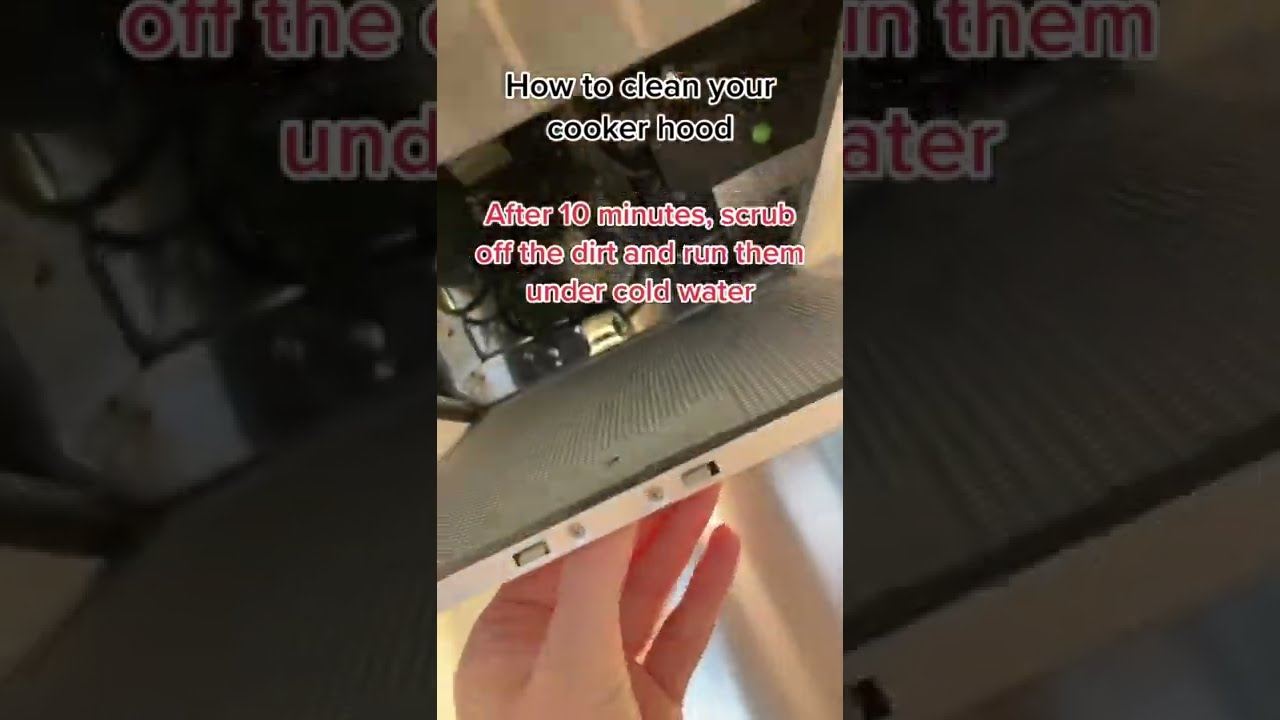
- Filters: Washing and degreasing the mesh filters. Exterior: Wiping down the visible stainless steel surfaces and controls. Grime Removal: Tackling visible buildup on the collection trays or drip pans.
This service is vital for aesthetics and immediate function, but it only addresses the surface grime. It assumes that the internal ductwork and motor are relatively clear.
Systemic Cleaning (Exhaust Cleaning)
Exhaust cleaning, on the other hand, is an invasive, industrial-grade procedure. It treats the entire ventilation system as a single, connected airway. It is much more labor-intensive and requires specialized tools and knowledge.
The difference is the hidden infrastructure. While rangehood cleaning addresses the face of the unit, exhaust cleaning addresses the veins that power it. If the internal ducting is choked with grease, even a sparkling clean surface hood won't pull air effectively.
"The most important part of the system is often the part that is invisible to the eye." - A seasoned HVAC technician.Making Your Selection Count: Choosing the Right Service
Knowing what is the difference between rangehood and exhaust cleaning? allows you to make an informed choice based on your kitchen's age, usage level, and current performance.
Assessing Your Needs
If your kitchen is relatively new and you only notice minor surface grease, a detailed rangehood cleaning might suffice. However, if you have an older system, or if your hood sounds like it's straining, or if the air extraction seems weak, you need to consider the deeper dive.
Consider this: If your rangehood is older than five years and you cook high-heat meals frequently, the accumulated grease in the hidden ductwork is likely a serious problem, not just an aesthetic one. A professional exhaust cleaning will perform a comprehensive inspection and cleaning, making sure that the entire system is operating at peak capacity.
The buildup of grease and particulate matter is insidious; it doesn't announce its presence with a loud warning. It's a slow, creeping problem.
Visit siteBeyond the Clean: Prevention and Maintenance
The best way to ensure your system remains functional is through preventative care. A good technician will not only clean but also inspect the motor and ducting connections for signs of wear or damage.
Remember, proper ventilation is not just about smelling good; it is a fundamental part of air quality and kitchen safety. It's a metaphor for life itself: you need a clear path for things to flow smoothly.
By understanding the nuances between a surface wash (rangehood cleaning) and a comprehensive system flush (exhaust cleaning), you can ensure your kitchen remains not only beautiful but also safe and incredibly efficient. Don't wait for a smoky day to realize your system is struggling; proactive care is always the best cooking ingredient.