The heart of any successful restaurant or catering operation is the kitchen itself. It's where culinary magic happens, where ingredients transform into unforgettable meals. But behind the delicious aromas and bustling activity lies a critical, often invisible component: the filtration system. These filters are the unsung heroes, keeping your kitchen air clean, your equipment running smoothly, and your business compliant. However, these filters are also notorious for accumulating grime, grease, and the general byproducts of professional cooking. Ignoring their maintenance is like trying to drive a car with bald tires—eventually, something is going to slip. If you've been Googling frantically, wondering where can I find reliable commercial kitchen filter cleaning near me?, you are not alone. This comprehensive guide will demystify the process, help you understand why professional cleaning is non-negotiable, and guide you toward finding the absolute best service for your specific needs.
Understanding the Critical Importance of Filter Maintenance
Why should filter cleaning be treated with the same urgency as food safety inspections? Because it directly impacts three pillars of your business: health, efficiency, and legal compliance. These filters aren't just cosmetic; they are vital life support systems for your kitchen's performance.
The Health and Safety Angle
Dirty filters are more than just an eyesore; they are potential breeding grounds. Grease buildup, dust, and microbial contaminants can accumulate in these systems. Over time, this can lead to:
- Air Quality Issues: Poor ventilation due to clogged filters can circulate stale, greasy, and potentially unhealthy air, affecting both staff and patrons. Fire Hazards: The most critical risk. Accumulated grease is highly flammable. A buildup that seems minor can become a major fire hazard, leading to devastating losses. Odor Control: Proper filtration doesn't just trap dust; it manages the exhaust stream, significantly reducing the lingering, sometimes overwhelming, cooking odors that can drive customers away.
Maximizing Kitchen Efficiency and Longevity
Think of your HVAC and exhaust system as the circulatory system of your restaurant. When the filters are clogged, the system has to work harder. This is like asking a marathon runner to sprint uphill—it's exhausting and inefficient.
- Energy Waste: Clogged filters restrict airflow, forcing motors and fans to draw more power to maintain required performance levels. This translates directly into higher utility bills. Equipment Damage: Overworked components wear out faster. Neglecting filter cleaning accelerates the degradation of expensive machinery, costing you money you didn't anticipate.
"The greatest investment a business can make is in the systems that allow it to operate seamlessly and safely." - A leading commercial kitchen consultant.
Decoding the Cleaning Process: What to Expect
When you search for where can I find reliable commercial kitchen filter cleaning near me?, you are looking for more than just a wash. You are looking for a specialized service that understands grease, metal, and complex airflow dynamics.
The Difference Between DIY and Professional Service
It's tempting to think, "I can just hose this out myself." While basic dusting can be a DIY task, commercial grease filters require specialized knowledge and equipment.
- Specialized Chemicals: Professionals use commercial-grade degreasers and cleaning agents designed to tackle polymerized grease—the sticky, hard-to-remove residue that simple soap won't touch. Safety Protocols: They understand electrical safety, ventilation shutdown procedures, and how to handle large volumes of contaminated waste responsibly. System Diagnosis: A good service doesn't just clean the filters; they inspect the entire exhaust system, checking for duct corrosion, fan wear, and potential blockages that need addressing.
Types of Filters and Their Needs
Not all filters are created equal. Knowing what type of filter you have helps you communicate your needs when you call to find where can I find reliable commercial kitchen filter cleaning near me?
- Grease Filters: These are the workhorses, designed to capture airborne oils and particulates. They need intensive degreasing. Air Filters (MERV/HEPA): These focus on particulate matter and air quality. They require vacuuming and washing to maintain their efficiency. Makeup Air Filters: These ensure the building has enough fresh, non-contaminated air entering the system. They are crucial for proper ventilation balance.
Vetting Your Search: Choosing a Trusted Partner
Finding a service provider is often the trickiest part of the process. How do you know if they are truly reliable? You need to look beyond the flashy website and delve into their operational details.
Questions to Ask Potential Vendors
Before you sign a contract, treat the initial consultation like a mini-audit. Ask these pointed questions:
- Do you carry necessary insurance and certifications (e.g., OSHA compliance)? This is non-negotiable. What is your process for waste disposal? They must handle grease and contaminated water according to local environmental regulations. Do you offer preventative maintenance plans? The best services don't just clean; they educate you and schedule routine check-ups. What is your experience with my specific type of kitchen (e.g., high-volume Asian cuisine vs. low-smoke bakery)?
The Local Advantage: Why "Near Me" Matters
While a national chain might offer good rates, a local, specialized service often provides a better fit because they understand the unique building codes, grease trap requirements, and operational rhythms of your specific community. They are more than just a cleaning crew; they are local kitchen partners.
Maintaining Peak Performance: Beyond the Cleaning Service
Once you have established a relationship with a reliable cleaning service, your job isn't over. Maintaining peak kitchen hygiene is Explore more a partnership.
Daily Habits for Filter Longevity
A little bit of routine effort goes a long way. Think of it like brushing your teeth—it's preventative medicine for your equipment.
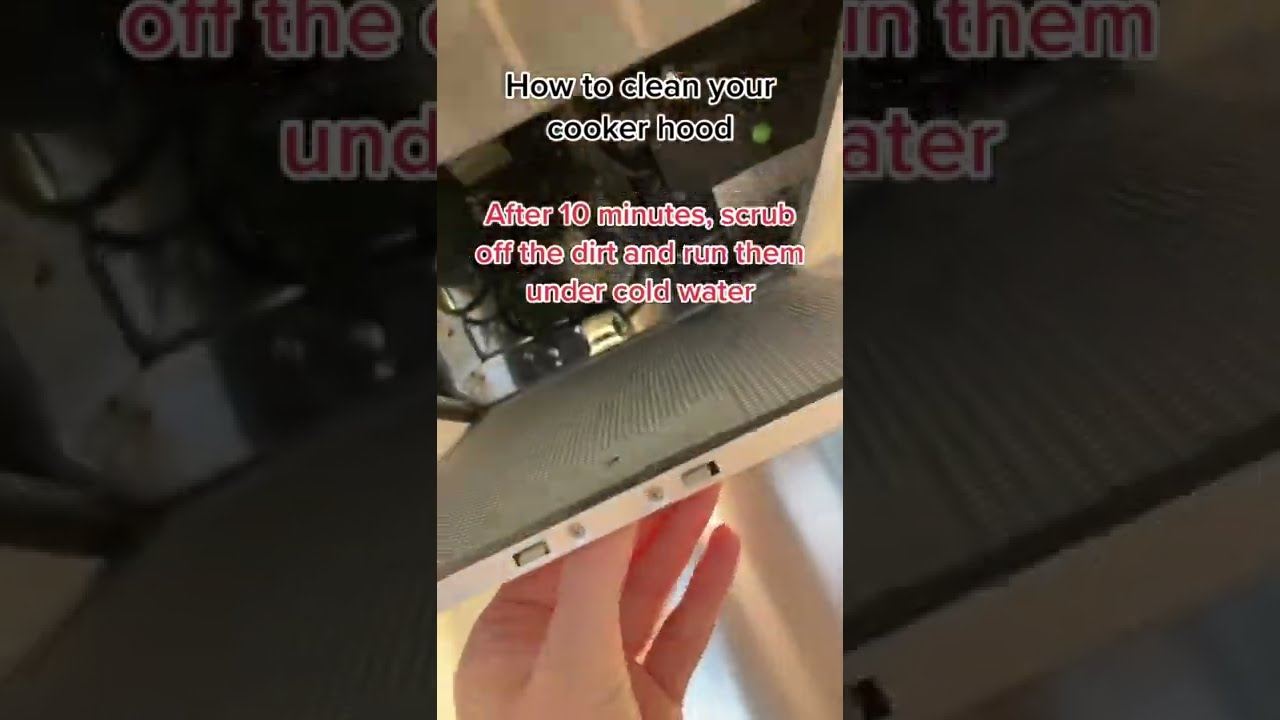
- Staff Training: Ensure staff are trained to report visible buildup immediately. Grease Management: Proper daily cleaning of surfaces helps prevent grease from migrating and gumming up the exhaust system. Visual Checks: Make it a habit to visually inspect the filter housing area weekly. Are there obvious leaks or signs of excessive grime?
The process of maintaining a clean kitchen is not a single event; it is a continuous loop of vigilance. It’s a cycle that ensures your operation runs like a Swiss watch—precise, reliable, and humming along without a hitch.
If you are constantly asking yourself, "I hope someone remembers to clean those filters," you know the answer: proactive, professional intervention is essential. Don't let poor ventilation or neglected filters become a looming shadow over your business success. By understanding the gravity of the task and vetting your options thoroughly, you can ensure your kitchen remains the powerhouse it was meant to be.
Ready to transform your maintenance routine from a nagging worry into a predictable, reliable process? Start by gathering three quotes and prioritizing service providers who offer comprehensive system inspections, not just a simple wash.