In the demanding world of commercial kitchens, efficiency isn't a luxury—it's the lifeline. From the sizzling chaos of a busy dinner service to the steady rhythm https://tysonixhz488.wpsuo.com/mastering-the-art-of-cleanliness-best-practices-for-commercial-rangehood-hygiene-sydney of a high-volume bakery, every minute and every piece of equipment matters. But often, the unsung heroes of the kitchen—the ventilation hoods—become sources of frustration rather than facilitators. Grimy filters, sluggish airflow, and buildup don't just look bad; they actively sabotage your operations. If your exhaust system is fighting against you, you're wasting energy, risking downtime, and potentially impacting air quality. Learning how to increase operational efficiency with clean hoods is not just about maintenance; it's about maximizing profit, minimizing risk, and keeping the culinary magic flowing smoothly.
Understanding the Hidden Costs of Dirty Ventilation
Many managers view hood cleaning as a necessary evil—a costly, time-consuming chore. However, viewing it this way is like seeing a diamond as merely a rock that needs polishing. The accumulated buildup—a sticky cocktail of grease, smoke particles, and airborne contaminants—is far more detrimental than just an aesthetic issue. These hidden costs can quickly erode your bottom line.
The Impact on Energy Consumption
The most immediate and measurable effect of poor hood maintenance is energy waste. A greasy, restricted hood acts like trying to push a car uphill with a tire full of sand. The ventilation system must work exponentially harder to pull the same volume of air.
- Increased Utility Bills: The motors strain, drawing excessive electricity, leading directly to higher operating costs. Reduced Airflow: When airflow drops, the kitchen's climate control suffers, potentially affecting food quality and staff comfort.
Safety Hazards and Compliance
Beyond the financial drain, neglected hoods pose significant safety risks. Grease buildup is highly flammable, creating a serious fire hazard that could lead to catastrophic loss.
"A clean ventilation system is the difference between a minor hiccup and a major disaster."
Furthermore, many local health codes mandate regular, professional cleaning and inspection. Failing to comply isn't just a warning—it's a potential operational shutdown.
Optimizing Kitchen Performance Through Proactive Maintenance
The key to truly improving efficiency is shifting your mindset from reactive cleaning (fixing it when it breaks) to proactive maintenance (preventing it from breaking in the first place). This strategic approach is what allows you to increase operational efficiency with clean hoods consistently.
Establishing a Rigorous Cleaning Schedule
A multi-tiered cleaning strategy ensures that no part of the system is overlooked. This schedule must account for both daily, weekly, and annual deep cleaning tasks.
- Daily Checks: Simple filter cleaning and visual inspections for obvious clogs. Weekly Tasks: Degreasing and washing visible ductwork and hood surfaces. Annual Professional Service: Comprehensive inspection, deep cleaning of internal ductwork, and expert calibration of fans and motors.
Choosing the Right Cleaning Technology
Not all cleaning methods are equal. Using industrial-grade degreasers, specialized vacuum equipment, and proper mechanical cleaning tools is essential. Using common household cleaners, for example, is like trying to put a fire out with a teaspoon—it just won't cut it. The technology must match the scale of the operation.
Beyond the Grease Trap: System Integration and Design
Improving efficiency isn't just about cleaning; it's about ensuring the entire system works in harmony. A perfect cleaning schedule can be undone by poor initial design or outdated equipment.
Assessing Hood Design and Placement
Are your hoods correctly sized for the equipment beneath them? Are they placed to capture the maximum amount of grease and smoke directly at the source? A consultation with a ventilation specialist can reveal design flaws that are silently sabotaging your workflow.
The Role of Filter Upgrades
Modern filtration technology has come a long way. Investing in advanced, washable, or semi-disposable filters can reduce the frequency and severity of buildup. These upgrades are often a small investment that pays dividends in reduced labor and increased air quality.
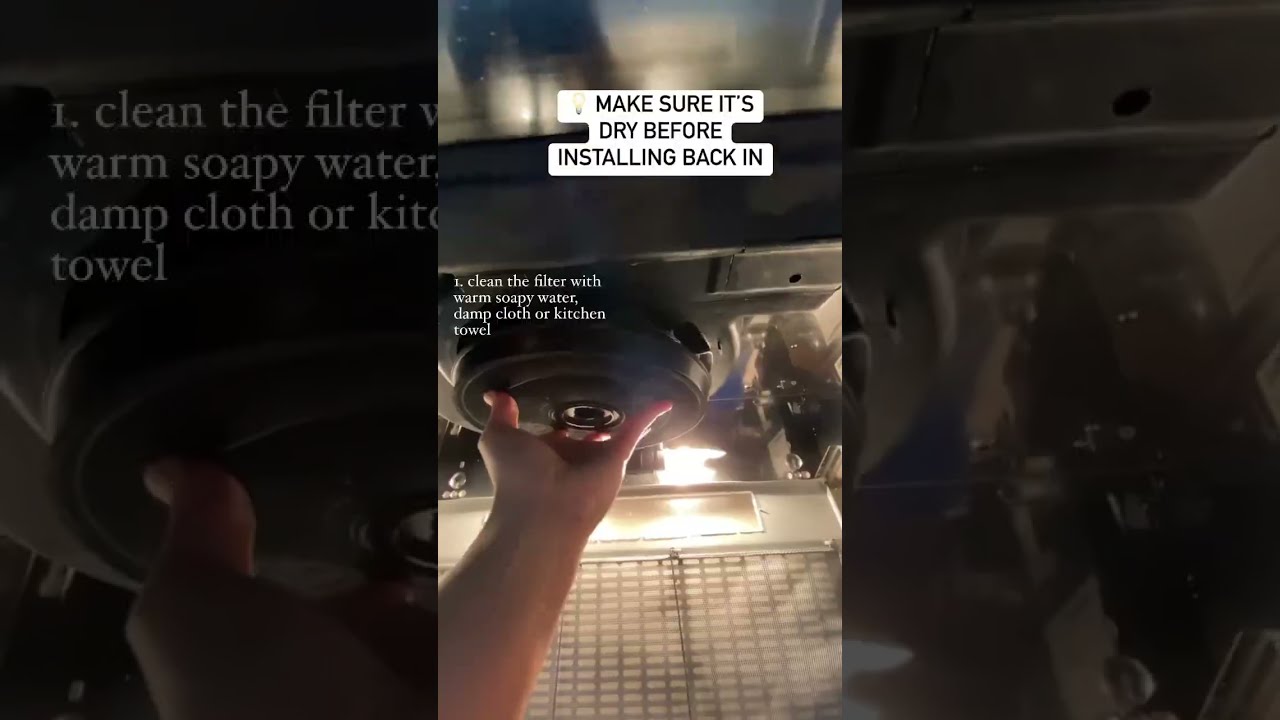
- Efficiency Gain: Better filters mean less grease saturation and more consistent airflow. Durability: They extend the lifespan of expensive motors and fans.
The Operational Synergy of a Clean System
When you successfully implement these maintenance protocols, the benefits cascade throughout the entire establishment. The kitchen starts running like a well-oiled machine—a metaphor that perfectly captures the smooth, effortless flow of a high-performing service.
Imagine a busy Saturday night: the prep station is clear, the fryers are maintaining optimal temperatures, and the air feels crisp, not smoky. That feeling of control and seamless execution is directly tied to a functioning, clean ventilation system. This reliable performance allows staff to focus on the art of cooking, rather than worrying about equipment failure.
Making Your Selection Count: A Strategic Approach to Maintenance
Ultimately, achieving peak operational efficiency with clean hoods requires treating the ventilation system not as an expense, but as a critical piece of revenue-generating infrastructure. By committing to professional, proactive maintenance, you are not just cleaning grease; you are investing in safety, consistency, and the very heartbeat of your culinary business. Don't wait for the smoke alarm to sound—take control of your airflow today.